Thinking about moving to Brussels?
Maybe you have been offered a job here, you are coming to Belgium to study, you are joining the EU institutions, or you simply want a change of scenery. Whatever brings you here, one question usually comes first: is Brussels actually a good place to live?
The short answer is yes - but Brussels is not perfect, and it is definitely not the same experience for everyone.
Brussels is a city of international communities, historic streets, excellent public transport, green spaces, lively neighbourhoods, fantastic food and a surprisingly relaxed quality of life. At the same time, newcomers can encounter confusing rental processes, unpredictable weather, bureaucracy and neighbourhoods that feel completely different from one another.
So, instead of giving you another generic city guide, here is the honest version: the biggest advantages, the things that can be frustrating, and what you should know before choosing your new home in Brussels.
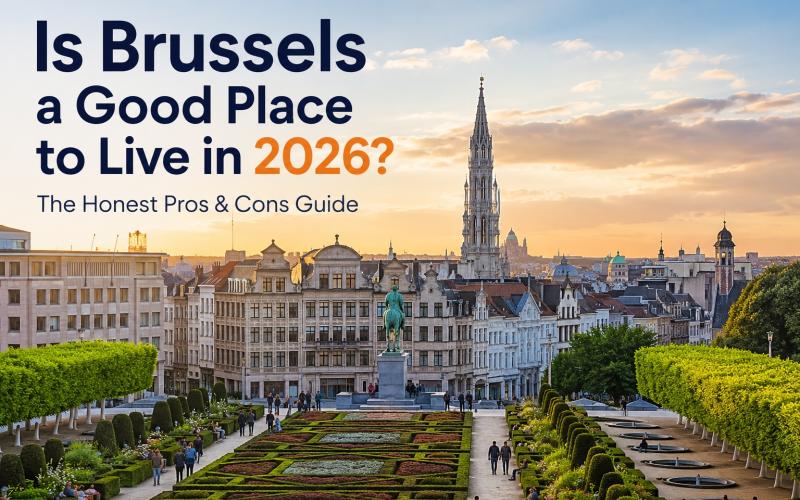
So, Is Brussels a Good Place to Live?
For many people, absolutely.
Brussels is particularly attractive if you want an international city without the scale and intensity of London, Paris or Berlin. You can live close to the centre while still having access to parks, cafés, local shops and quieter residential streets.
It is also one of Europe's most international cities. French and Dutch are the official languages, but English is widely spoken, particularly in international workplaces, universities, the European Quarter and among younger residents.
One of Brussels' biggest advantages is that you don't have to choose between city life and green space. Depending on where you live, you can be a short walk from a busy café, a metro station or a large park - and sometimes all three.
The Pros of Living in Brussels
1. Brussels Is Extremely International
One of the easiest things to appreciate about Brussels is how international it feels.
The city is home to European institutions, international companies, NGOs, universities and people from all over the world. You can easily meet people from different countries without searching for an “expat community”.
For newcomers, this can make settling in much easier.
2. You Can Live Without a Car
Brussels has an extensive public transport network covering metro, tram and bus connections, making it possible for many residents to live comfortably without owning a car.
This can make a significant difference to your monthly budget and your everyday life. Instead of sitting in traffic, you can often walk, cycle or take public transport to work, university, shops and restaurants.
When choosing a rental, look beyond the apartment itself and check the nearest metro, tram, and train connections. A slightly smaller apartment in a well-connected neighbourhood can sometimes be a much better choice than a larger home with a difficult commute.
3. Brussels Is Much Greener Than You Might Expect
Brussels may be a capital city, but it has an impressive amount of greenery.
Parks, gardens, squares, and woodland are spread throughout the city, from the central Parc de Bruxelles to Bois de la Cambre and the huge Sonian Forest on the city's south-eastern edge.
If having green space nearby matters to you, neighbourhoods such as Auderghem, Uccle, Watermael-Boitsfort, Woluwe-Saint-Pierre and Woluwe-Saint-Lambert are particularly interesting places to explore.
4. There Is Always Somewhere New to Discover
Brussels is a city of neighbourhoods, and each one has its own personality.
You can spend a Saturday morning having coffee in Saint-Gilles, walk through Ixelles in the afternoon, have dinner around Sainte-Catherine and finish the evening in the city centre.
Then next weekend, you can head in the opposite direction and discover the quieter streets and green spaces of Auderghem or Woluwe.
That variety is one reason people often stay in Brussels longer than they originally planned.
5. It Is One of Europe's Best Cities for International Careers
For people working in European affairs, international organisations, policy, consulting, technology, NGOs and diplomacy, Brussels can be an excellent place to build a career.
Being based in the EU capital also means that Luxembourg, Paris, Amsterdam, London and many other European destinations are relatively accessible for weekend trips and business travel.
6. Food Is a Serious Part of Life
Belgian cuisine goes far beyond waffles and fries — although you should definitely try both.
Brussels has everything from traditional Belgian restaurants and neighbourhood cafés to excellent Italian, Middle Eastern, Asian, African and other international cuisines.
And because Brussels is so international, you can often find excellent food from around the world without leaving your neighbourhood.
The Cons of Living in Brussels
1. Housing Can Be Expensive
Housing costs are one of the biggest considerations when moving to Brussels.
Prices vary considerably depending on the neighbourhood, property size, condition, furnishing and proximity to public transport. A central apartment can cost significantly more than a similar property further from the centre.
That is why it is important not to judge the Brussels rental market based on one apartment you see online. Explore different neighbourhoods and compare what you actually get for your budget.
Tip: Start by deciding what matters most to you — space, location, transport, green areas or nightlife — and then choose your neighbourhood accordingly.
2. Renting Can Feel Complicated When You Are New
If you are moving from another country, the Belgian rental process can feel confusing at first.
You may encounter documents, deposits, guarantees, proof of income, registration requirements and other administrative steps that are unfamiliar.
The good news is that once you understand the process, renting becomes much easier. The most important thing is to have your documents ready and to understand the terms of the rental agreement before signing.
3. The Weather Is... Very Belgian
Let's be honest: Brussels is not famous for endless sunshine.
You can have four seasons in what feels like the same afternoon. Grey skies and rain are part of life here, particularly outside the summer months.
But there is another side to this. When the sun does come out, Brussels' parks, terraces and squares suddenly come alive.
And there are plenty of ways to enjoy the city regardless of the weather.
4. Traffic Can Be Frustrating
If you commute by car, Brussels traffic can be challenging, particularly during peak hours.
This is another reason why choosing your neighbourhood based on your daily commute is so important.
For many residents, living close to a metro, tram or train station is worth paying slightly more for.
5. Brussels Is Not One Single Experience
This is perhaps the most important thing to understand before moving here.
Brussels is not one neighbourhood.
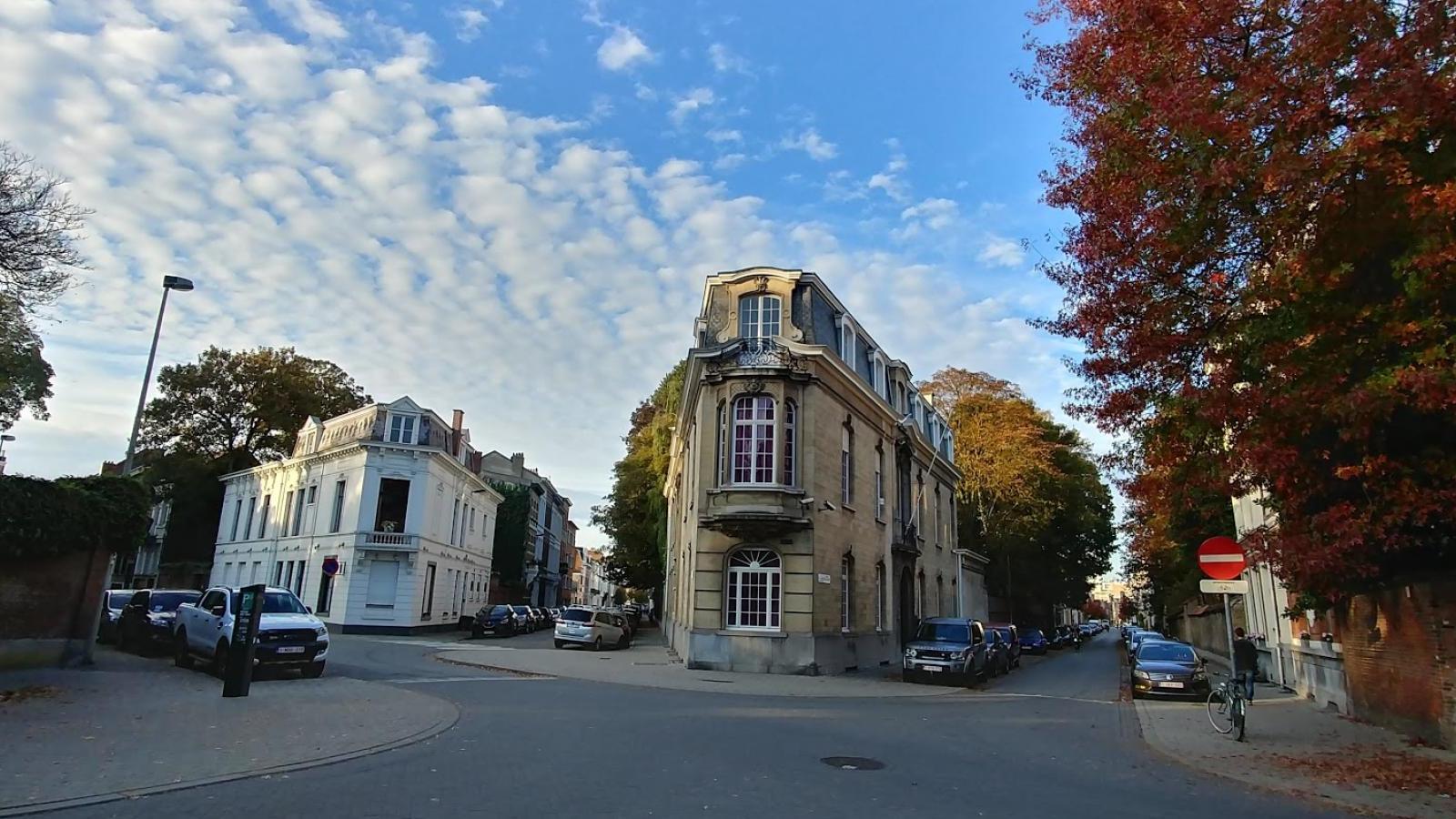
Living in central Brussels can feel completely different from living in Uccle, Saint-Gilles, Schaerbeek, Auderghem or Woluwe-Saint-Pierre.
The atmosphere, housing, nightlife, green spaces, transport connections and even the type of people you meet can change dramatically from one area to another.
Which Brussels Neighbourhood Is Right for You?
This is where things get interesting.
Instead of asking “Where is the best place to live in Brussels?”, ask:
“Which neighbourhood is best for the way I want to live?”
- ❤️ Young, social and lively: Saint-Gilles or Ixelles
- 🇪🇺 Close to the European Quarter: Etterbeek or Brussels City
- 🌳 Green and peaceful: Auderghem, Uccle or Watermael-Boitsfort
- 👨👩👧 Family-friendly: Woluwe-Saint-Lambert, Woluwe-Saint-Pierre or Uccle
- 🎨 Creative and urban: Saint-Gilles, Schaerbeek or Forest
- 🏙️ City-centre lifestyle: Brussels City
- 💰 Looking for more space or value: Anderlecht, Forest, Jette or Ganshoren
- 🌿 Quiet suburban atmosphere: Berchem-Sainte-Agathe, Auderghem or Watermael-Boitsfort
There is no universal “best” neighbourhood. The best one is the one that matches your lifestyle, commute and budget.
Is Brussels Good for Remote Workers?
For remote workers and freelancers, Brussels can be a surprisingly good choice.
You have fast internet, cafés, coworking spaces, excellent transport and a large international community. You can work from home in the morning, take your laptop to a café in the afternoon and be in a park within minutes.
Neighbourhoods such as Ixelles, Saint-Gilles, Etterbeek and Forest can be particularly attractive if you want a balance between work, social life and local cafés.
For more ideas, check out our guide to Digital Nomads in Brussels: Best Neighbourhoods for Productivity & Fun.
Want More Green Space? Look Beyond the Centre
One of the best ways to improve your quality of life in Brussels is to look beyond the obvious central neighbourhoods.
South and south-east Brussels offer easy access to some of the city's best green spaces, including Bois de la Cambre and the Sonian Forest.
Areas such as Auderghem, Uccle, and Watermael-Boitsfort can offer a very different experience from living in the historic centre while still keeping you connected to the city.
If parks are important to you, check out our Best Parks in Brussels for a Picnic guide.
Is Brussels Expensive?
Brussels isn't the cheapest city in Europe, but it can offer good value compared with some of Europe's largest capitals.
The biggest variable is usually housing. Your lifestyle can also make a major difference. Living centrally, eating out frequently and relying on taxis will obviously cost more than choosing a well-connected residential neighbourhood and using public transport.
The best strategy is to set your total monthly budget first and then work backwards to determine which neighbourhood and type of property make sense.
For a more detailed breakdown, read our Cost of Renting in Brussels: 2026 Guide.
Who Is Brussels Best For?
Brussels can be a particularly good fit if you are:
- 🌍 An expat looking for an international environment
- 🇪🇺 Working for an EU institution or international organisation
- 💻 A freelancer or remote worker
- 🎓 A student or young professional
- 👨👩👧 A family looking for a European capital with green neighbourhoods
- 🚇 Someone who wants to live without depending on a car
- 🍽️ Someone who enjoys restaurants, cafés and multicultural city life
- 🌳 Someone who wants access to parks and nature without leaving the city
Who Might Not Love Brussels?
Brussels may not be the perfect choice if you are looking for guaranteed sunshine, a huge nightlife scene every night of the week, very low housing costs, or a city where everything works exactly as you expect.
Belgium can sometimes feel bureaucratic, the weather can be frustrating, and Brussels has its share of traffic, construction and urban challenges.
But if you can embrace those imperfections, there is a lot to like.
The Bottom Line: Should You Move to Brussels?
Yes — but choose your neighbourhood carefully.
That is probably the most honest answer.
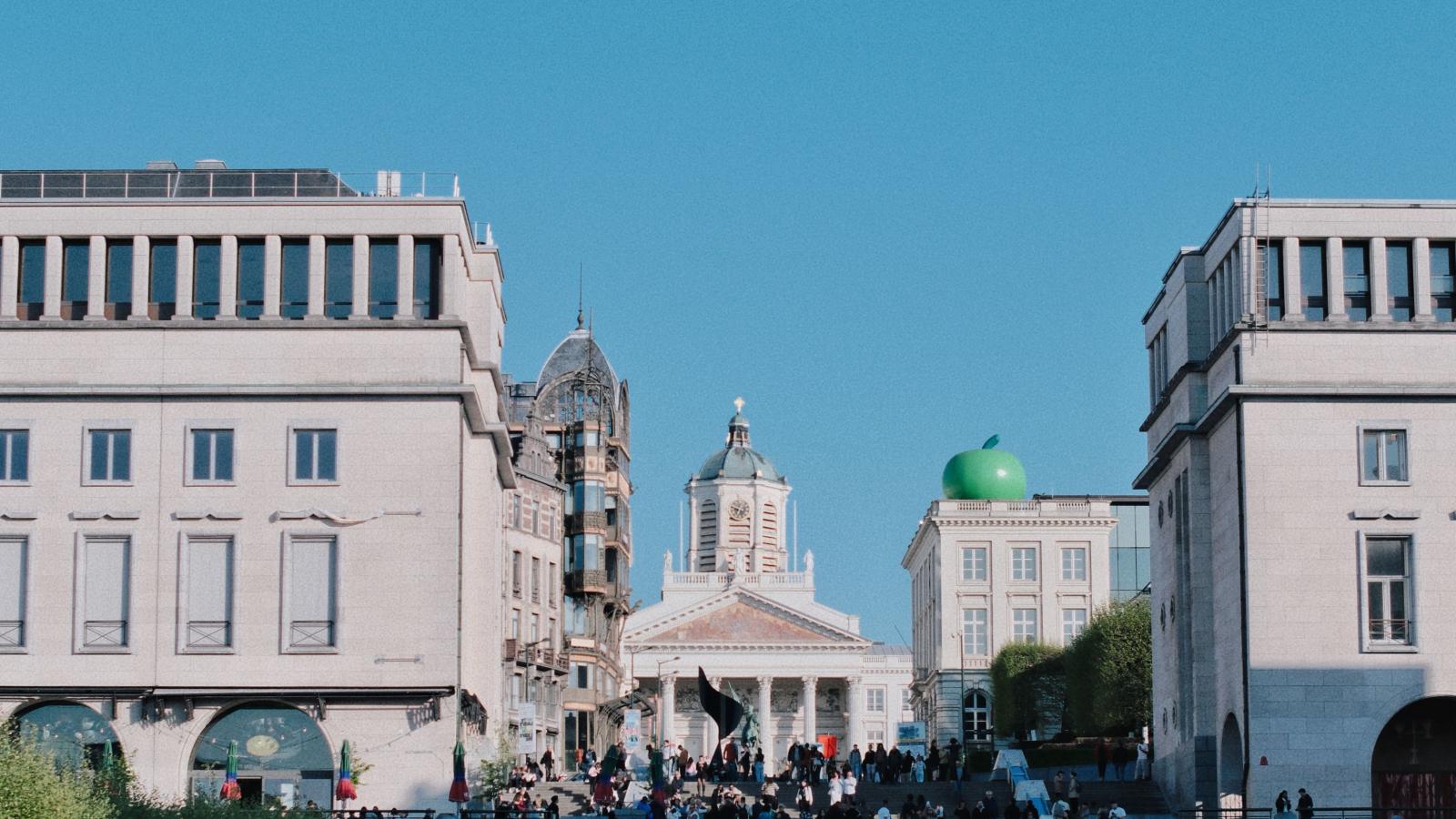
Brussels offers an unusual combination: international career opportunities, excellent food, public transport, historic architecture, cultural diversity and a surprising amount of greenery.
But your experience of Brussels will depend heavily on where you live.
The right apartment in the right neighbourhood can completely change how you experience the city.
So don't simply search for “an apartment in Brussels.” Search for the neighbourhood that fits the life you want to build.
Ready to Find Your Place in Brussels?
Whether you are looking for a furnished apartment, a family home, a studio close to the EU institutions or a quieter place surrounded by greenery, EU-rentals.com helps you explore rental properties across Brussels and Belgium.
Start by exploring the neighbourhoods that interest you, compare available properties and find a place that feels right for your next chapter.
Explore rental properties on EU-rentals.com
More Brussels Guides
- A First-Timer's Guide to Living in Brussels
- How to Rent in Brussels as an Expat
- Cost of Renting in Brussels: 2026 Guide
- Digital Nomads in Brussels: Best Neighbourhoods for Productivity & Fun
- Best Parks in Brussels for a Picnic
- Summer in Brussels: 25 Things to Do